


 Home /
 -40°C Lithium Polymer Battery | High-Performance LiPo Battery Solutions


Table of Contents
- Why -40°C Lithium Polymer Battery Technology is Revolutionizing Cold Weather Power Solutions
- Conclusion
Why -40°C Lithium Polymer Battery Technology is Revolutionizing Cold Weather Power Solutions
In the freezing conditions when electronic equipment is used, regular batteries tend to have difficulties in providing consistent power. The problems that become typical are voltage drops, decreased capacity, and shorter life. This is where a -40 °C Lithium Polymer Battery comes into play.
- Designed specifically for ultra-low temperature operation, these advanced battery systems provide reliable energy even in some of the world's harshest climates. Powering remote sensors in the Arctic, GPS tracking systems, military equipment, or industrial monitoring devices, a cold-resistant lithium polymer battery provides consistent performance where other batteries fail.
- With the growing use of connected technologies in extreme conditions by industries, the need to use high-performance, low-temperature battery solutions is on the rise. The current lithium polymer battery technology has made it possible to operate with efficiency at temperatures as low as -40 C with a high energy density and long-term stability.
Lithium Polymer Battery Technology Low Temperature
A low-temperature lithium polymer battery is designed with special electrolyte formulations, high-quality electrode materials, and cell structures. These cells are also uniquely designed to reduce internal resistance when operating in cold weather conditions, unlike traditional lithium batteries.
Key characteristics include:
• Operation at ultra-low temperatures as low as -40 o C.
• Stable discharge performance
• High energy density LiPo battery design
• Low internal resistance LiPo battery architecture
• Extended cycle life
• Fast charging capability
• Stable operation under low temperatures.
The outcome is a high-efficiency lithium polymer cell that can sustain power output even when extreme temperatures are involved.
The Working of a Battery at -40°C
Low-temperature ion mobility is one of the largest issues that battery manufacturers have to deal with. At low temperatures (below freezing), the viscosity of the electrolyte rises, reducing the rate of lithium-ion movement. This can severely decrease the battery capacity. This limitation is overcome in modern advanced lithium polymer battery systems by:
• Specialized low-temperature electrolytes
• Optimized anode and cathode material.
• Enhanced separator technology
• Intelligent Battery Management System (BMS) integration.
• Design of precision thermal control.
These inventions enhance low-temperature discharge efficiency and guard the rechargeable lithium polymer cell against damage.
Significant Technical Benefits of a -40°C Lithium Polymer Battery
Traditional lithium batteries may lose more than 50% of their usable capacity in freezing conditions. A high-performance low-temperature battery can sustain much higher energy production even at long-term exposure to low temperatures.
High Energy Density
The modern high-energy density battery designs offer:
• Longer operating times
• Reduced system weight
• Compact battery packs
• Improved portability
This renders them suitable for mobile and remote applications.
Long Cycle Life
A long-cycle life lithium polymer battery is capable of providing thousands of charge-discharge cycles with constant performance.
Most industrial-grade battery systems can attain:
• 2,000 to 5,000+ cycles
• Consistent voltage output
• Reduced maintenance costs
• Extended service life
Battery Management System
A built-in Battery Management System (BMS) offers:
• Overcharge protection
• Over-discharge protection
• Temperature monitoring
• Short circuit protection
• Cell balancing
• Current regulation
These safety measures play a great role in enhancing the reliability of batteries in harsh conditions.
Industrial Uses Propelling Market
- Battery to Cold Climate IoT Devices
The Internet of Things is going further into remote and cold areas. An IoT battery that is cold climate-friendly supports:
• Smart agriculture
• Environmental monitoring
• Utility infrastructure
• Industrial automation
These interconnected systems require low-temperature energy storage battery technology.
- Smart Meter Lithium Polymer Battery
Smart meters are used by utility providers in open areas throughout the year. A smart meter battery should be resistant to:
• Seasonal temperature extremes
• Long operating cycles
• Minimal maintenance requirements
These installations require wide temperature lithium polymer battery systems that are reliable.
- Remote Monitoring System Low Temperature Battery
Remote plants are usually not easily accessible to maintenance. A remote monitoring battery should provide:
• Long service life
• Stable voltage output
• High reliability
• Low self-discharge rates
This reduces the cost of operation and maximizes uptime.
Broad Temperature Battery Solutions to Current Energy Systems
There is a growing demand among many organizations to use battery systems that have wide temperature operation. A wide temperature range battery typically supports:
• Charging from -20°C to 60°C
• Down to -40 o C discharge.
• Seasonal stability of operation.
This flexibility enhances deployment options and minimizes infrastructure requirements.
Importance of Home and Commercial Energy Storage
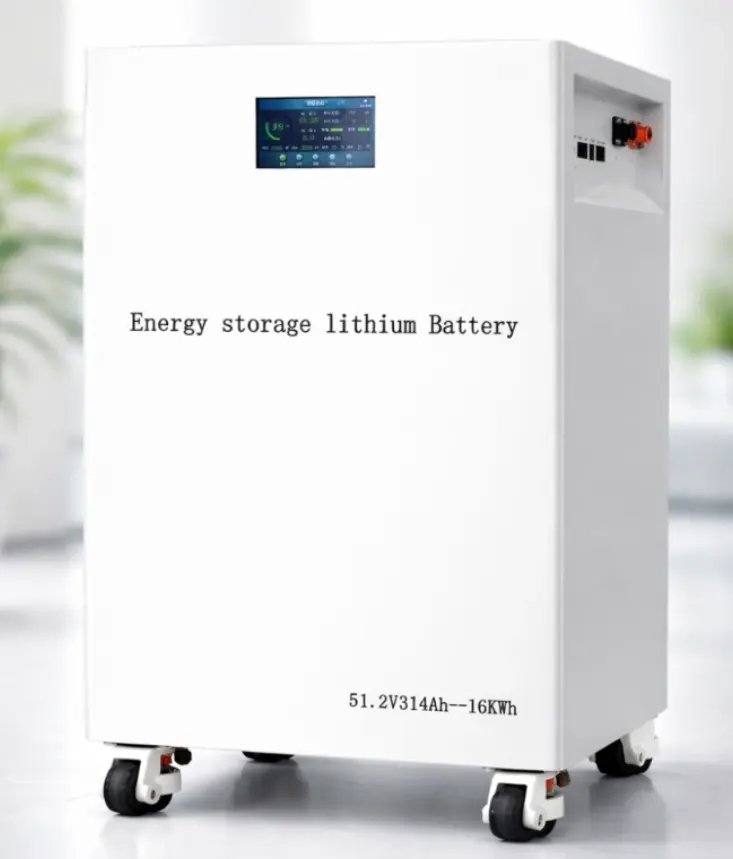
The latest energy storage systems are based on the more efficient lithium polymer battery technology to enhance efficiency and resilience. The home energy storage systems offered by Gloflux offer solutions like the home energy storage systems that offer scalable power management in residential and commercial settings.
Gloflux Home Energy Storage Lithium Battery Solutions could be a good option to explore advanced storage solutions as they integrate intelligent battery management, high efficiency, and long life. Businesses that want to be energy independent can consider this.
These systems offer:
• Smart energy optimization
• Backup power protection
• Solar integration compatibility
• Reduced energy costs
• Enhanced grid stability
Contemporary energy storage batteries can provide more than 6,000 cycles and have a sophisticated BMS to enhance safety and reliability. OEM Low Temperature Lithium Polymer Battery Solutions are preferred by businesses because of the following reasons.
Companies Tend to Need Custom Battery Setups
A LiPo battery manufacturer, who makes custom 40C batteries, can supply:
• Tailored voltage requirements
• Customized capacities
• Unique form factors
• Integrated communication protocols
• Application-specific BMS programming
These functions enhance the performance and reliability of the products.
Conclusion
Seeking a reliable -40C Lithium Polymer Battery manufacturer that has experience in cold-weather applications? Discover new battery technologies, bespoke battery packs, and new energy storage options with Gloflux.
We can provide an OEM low-temperature lithium polymer battery, industrial-grade battery systems, or scalable energy storage products with reliable performance that is engineered to perform in the most challenging environments. Go to the Gloflux Official Website and find out the new generation of cold-weather power solutions today.
Talk to the Manufacturer
Resources & Insights

High Capacity Lithium Battery for Wearables: High-Voltage LiPo Cell Design
2026-10-19
Cylindrical Battery Packs for Laptops: 2S vs 3S vs 4S Battery Design
2026-10-19
Stage Lighting Battery Pack: Prevent Voltage Drop & LED Flicker
2026-10-19
Best Rechargeable Batteries for Smart Devices: Performance, Safety, and Selection Guide
2026-10-19


